ImaginAI
A React + Tailwind UI/UX concept for an AI image-generation experience, focused on clean layout, prompt-first flows, and lightweight interaction design.
- Client
- Proprietary
- Role
- Lead Engineer
- Year
- 2024
- Field
- SAAS
ImaginAI — Product Design Case Study
Overview
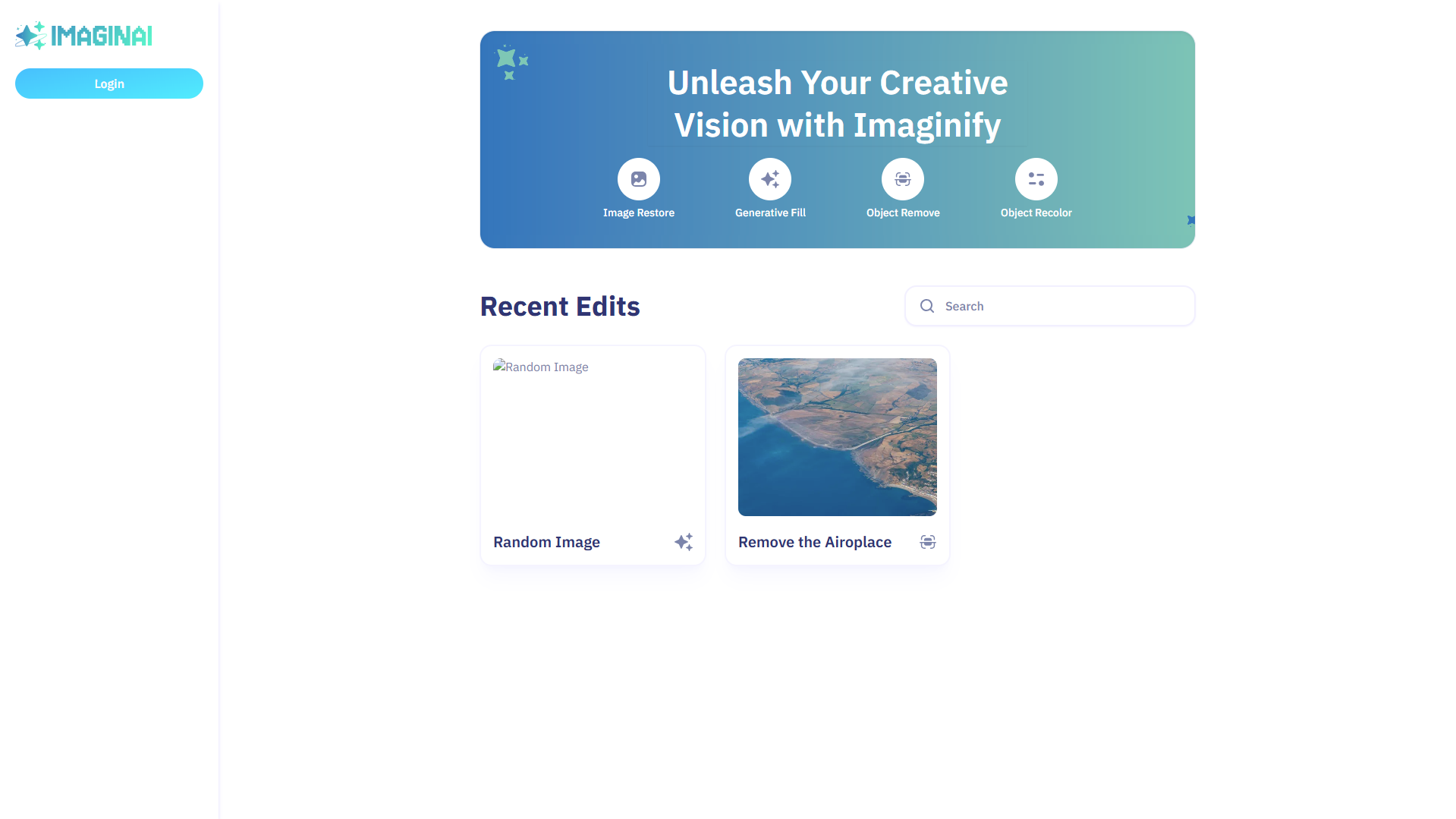
ImaginAI is a portfolio project exploring a modern AI image-generation product experience. The focus of this work is product design: creating a clear, prompt-first interface, predictable user flows, and a visual system that feels lightweight and delightful.
This project is implemented using React and Tailwind CSS, enabling rapid UI iteration and consistent styling across components.
Problem
Many AI creative tools feel overwhelming on first use:
- Too many controls up front
- Unclear “what to do next”
- Results and history are hard to scan
- Prompt writing lacks guidance
The design goal was to make the experience approachable while still feeling powerful.
Goals
- Design a simple primary flow: prompt → generate → review → iterate
- Keep controls discoverable without cluttering the canvas
- Present results in a scan-friendly layout (grid + focus view)
- Build a reusable UI system with Tailwind utility patterns
Key User Flows
1) Create
Users start with a clear prompt entry point and optional suggestions to reduce blank-page anxiety.
2) Generate
A generation state communicates progress and sets expectations (loading, queue, or processing indicators).
3) Review & Iterate
Results appear in a consistent grid; selecting an item opens a focused preview where users can iterate quickly:
- refine prompt wording
- re-run with variations
- save/export favorites
UI/UX Highlights
- Prompt-first layout: the main CTA is always visible
- Progressive disclosure: advanced options stay out of the way until needed
- Consistent hierarchy: typography + spacing scales keep attention on the work
- Component-driven design: buttons, inputs, cards, and modals follow a shared pattern
- Tailwind design tokens (conceptual): consistent radius, shadows, and neutral palette for clarity
Design System Notes (Tailwind)
This project leans on a small set of repeatable patterns:
- Card containers for results and history
- Soft borders + subtle shadows for separation
- Spacing rules that keep layouts breathable
- Color used primarily for state (primary action, hover, selection, errors)
Outcome
ImaginAI demonstrates:
- a clean, portfolio-ready UI direction for an AI creative tool
- an interaction model optimized for iteration
- a scalable component approach suited for React + Tailwind implementations
What I’d Improve Next
- Add onboarding microcopy and interactive prompt examples
- Improve empty/error states for edge cases
- Add accessibility audits (contrast, focus states, keyboard navigation)
- Define a clearer token strategy (Tailwind config) for long-term scaling